
Checking Criminal History in Clemson
Clemson records require an agency check before a name search. City police, Clemson University Police, Clemson detention center, and Clemson Municipal Court maintain different parts of the trail. A city incident form will not retrieve a university report, and a county jail search can miss someone held by Clemson. Identify the police body and court named on the paperwork, then use the narrow local channel before moving to Pickens County or South Carolina systems.
- Confirm whether Clemson Police or Clemson University Police created the report.
- Use the Clemson incident-report e-form for an eligible city report, or NextRequest for a city FOIA request.
- Contact Clemson Municipal Court for a city misdemeanor, traffic, or ordinance record.
- Check Clemson's municipal detention channel before assuming the person went to Pickens County Detention.
- Use Pickens Public Index or SLED CATCH only when the case or record has reached those broader systems.
A police incident report, jail booking, municipal docket, and state criminal-history cycle are separate records. The Clemson Municipal Court disposition is the best source for a city-case outcome. A booking charge only records the accusation at intake and may later change.
Clemson Incident Report Form
Clemson Police provides an electronic request form for incident reports. It asks for first name, last name, email, incident date, case number, preferred receipt method, and a certification. Address, telephone, fax, and comments are optional. Supplying a case number and incident date helps the Records Clerk identify the existing report without turning the request into open-ended research.
The form has a firm scope limit. Clemson states that it is not the route for FOIA or Brady requests. A Brady request concerns potentially favorable evidence in a criminal case and follows a different legal and case channel. A public-record request belongs in Clemson's NextRequest system. Mixing those request types can delay a response because each is reviewed under a different duty.
Clemson Police Department Records
Clemson Police Department is at 1198 Tiger Boulevard, Clemson, SC 29631. Its main number is 864-624-2000, and the Records Clerk can be reached at 864-624-2004. Clemson Police Department holds reports created by city officers. The e-form is suited to a known city incident, while questions about a record's status can go to the clerk line.
Active investigations do not have to be released merely because a request was filed. Other protected content can include juvenile information, victim-identifying details, confidential sources, and security-sensitive material. Clemson may redact exempt parts while producing a public portion. Ask for a named report or component, and include the case number when possible.
Clemson NextRequest Record Tracking
Clemson routes city FOIA matters through NextRequest instead of the incident-report form. That portal gives a written request a trackable city channel and separates it from routine report delivery. Clemson site also makes fulfilled requests after March 11, 2025 searchable. A prior release may help identify how Clemson described a record, but it does not prove that every similar record is public.
A sound NextRequest submission identifies the department, incident date, location, case number, and exact material sought. South Carolina FOIA does not require Clemson to create a new chart, answer research questions, or write a narrative that does not exist. The request should target an existing file. Active case material may remain exempt, and Clemson can release a redacted copy when public and protected information share the same document.
Clemson Arrests and Bookings
Clemson is an important exception to the usual city-to-county booking assumption. Clemson operates a Level One municipal detention center. It can hold prisoners for Clemson Police, Clemson University Police, and at times SLED. A person arrested in Clemson therefore may remain in city custody instead of appearing at once in the Pickens County Detention Center.
Begin a recent custody check with the arresting agency and Clemson city police. If the person was transferred, then check the county detention source. The agency report still belongs to the officer's department even after custody moves. A later case may be found through Clemson Municipal Court or Pickens Public Index, depending on the filed charge and court jurisdiction.
Clemson City and Campus Records
Clemson and Clemson University are separate governing and policing bodies. City police reports come from Clemson Police. Campus incidents handled by Clemson University Police use the university public-safety records channel. The fact that both agencies operate in the same community does not merge their files.
Use the badge, report heading, case number, and exact incident location to select the custodian. A daily campus crime report is not the same as a city booking log, and neither one proves where a person remained in custody. When more than one agency took part, request each agency's own record rather than expecting one department to provide the entire combined trail.
The boundary also affects court routing. A Clemson city misdemeanor may remain in Municipal Court, while another charge can reach a Pickens County court. The arresting agency does not by itself decide the final court, but it tells the requester where the first report began. If the citation or release paper names a court, follow that label. If it does not, ask the agency for the case or warrant number before searching broader systems. This avoids treating a campus safety entry, city police report, municipal docket, and county court file as duplicate copies of one record.
Municipal Court Records in Clemson
Clemson Municipal Court is at 1250 Tiger Boulevard, Suite 3, and can be reached at 864-653-2045. It decides city misdemeanor criminal, traffic, and ordinance matters. No standalone public case search was found. For a docket or certified record, contact the clerk and use the written mail or fax route Clemson Municipal Court provides.
| Court Name | Clemson Municipal Court |
|---|---|
| Case Types Heard | City misdemeanor criminal, traffic, and ordinance matters |
| Case Lookup Channel | Clerk by telephone, counter, or written mail/fax request |
| What the Docket Shows | Clemson-jurisdiction charge, event, and disposition information |
| Copies & Fees | Certified records by written request; no verified copy fee in the research |
Clemson Municipal Court is open Monday, Tuesday, and Thursday from 8 a.m. to 5 p.m.; Wednesday from 8 a.m. to 6 p.m.; and Friday from 8 a.m. to 3 p.m. Court security bars bags, weapons, and phones. Check current instructions before a visit because a records request does not override courtroom security rules.
Clemson Certified Court Records
A certified Clemson court record requires a written request by mail or fax. Include the person's name, date of birth, and current mailing address so the clerk can identify the proper city case and return the response. Certification comes from the Clemson Municipal Court, which holds the docket, not from the police report form.
The clerk can certify only Clemson-jurisdiction records. A General Sessions case, another city's ticket, or a county magistrate matter must go to that court's custodian. Pickens Public Index can help locate some filed matters, but the state judicial branch warns that municipal participation is incomplete. The absence of a Clemson municipal entry in the county index is not proof that no city case exists.
Where Clemson Records Go
A city officer creates the incident or arrest report. Clemson's detention operation can create the first booking entry. Clemson Municipal Court keeps city-level case records, while higher criminal filings go to Pickens County courts. Fingerprint-supported arrest data and reported dispositions can later enter the SLED repository.
Record flow: Clemson Police Department › Clemson or Pickens County Courts › South Carolina Law Enforcement Division
The flow is not instant. A new Clemson booking can exist before a court case is indexed. A court file can later show that the initial charge changed or was dismissed. SLED CATCH is name-based, excludes wanted persons, and depends on identifying data and submitted fingerprint cycles. Use the local source for the newest event and Clemson Municipal Court for the legal outcome.
The Federal Bureau of Prisons locator shows the separate federal custody layer.
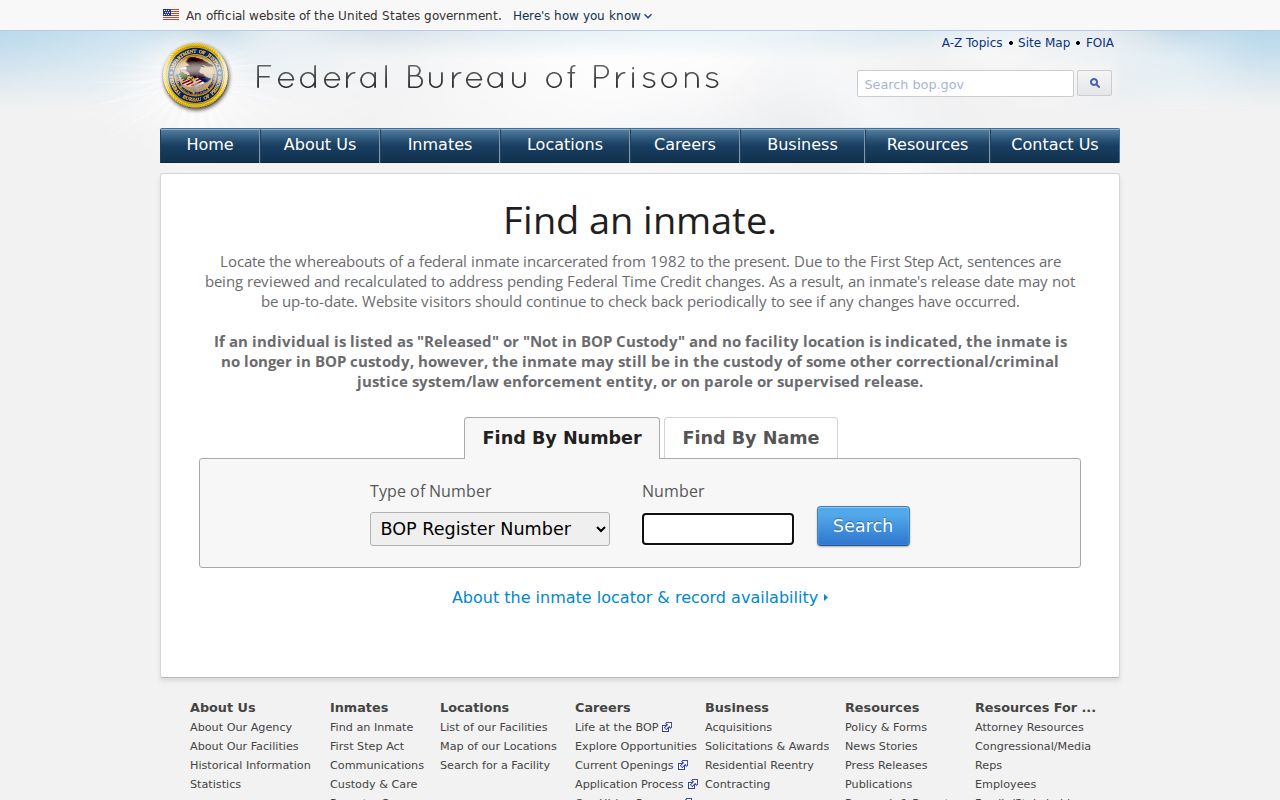
A federal locator result does not replace Clemson city detention, Pickens County custody, or South Carolina prison records. It applies only when the person entered the federal system.
Clemson Trial and Appeal Timing
Clemson schedules bench trials on Wednesdays at 9 a.m., 2 p.m., and 5 p.m. A bench trial is decided by a judge rather than a jury. The schedule can help a party identify the likely event time, but the clerk's docket remains the source for what occurred and what order was entered.
Post-trial deadlines are short. Clemson states that a motion for a new trial is due within ten days, while an appeal deadline is thirty days. Those periods are legal deadlines, not estimated record-processing times. Anyone affected by a judgment should use Clemson Municipal Court's current instructions and seek legal advice as needed. A later online or public-index update does not extend a filing deadline.
Certified copies should be requested as soon as they are needed. The written request must give the name, date of birth, and current mailing address, and the response covers Clemson jurisdiction only. Keeping the certified judgment with proof of filing or payment can help when a later system still shows an older status.
Clemson Police Activity Context
Official 2024 city figures reported 58,855 calls for service, 9,791 stops, 4,730 tickets, and 528 crashes, including 84 injury crashes. The same local reporting listed 65 DUI arrests, 253 noise calls, and 210 minor-in-possession incidents. These numbers describe police workload and contacts. They are not counts of convictions.
The distinction matters in a university-centered city. A call can end without an arrest. A stop can produce a warning. A ticket may be contested or dismissed. Even an arrest is an accusation until a court decides the case. For any named event, move from the police record to the municipal or county docket and read the disposition rather than using citywide activity totals as a shortcut.
For a person's own federal identity-history review, the FBI electronic ordering portal is the official entry point.
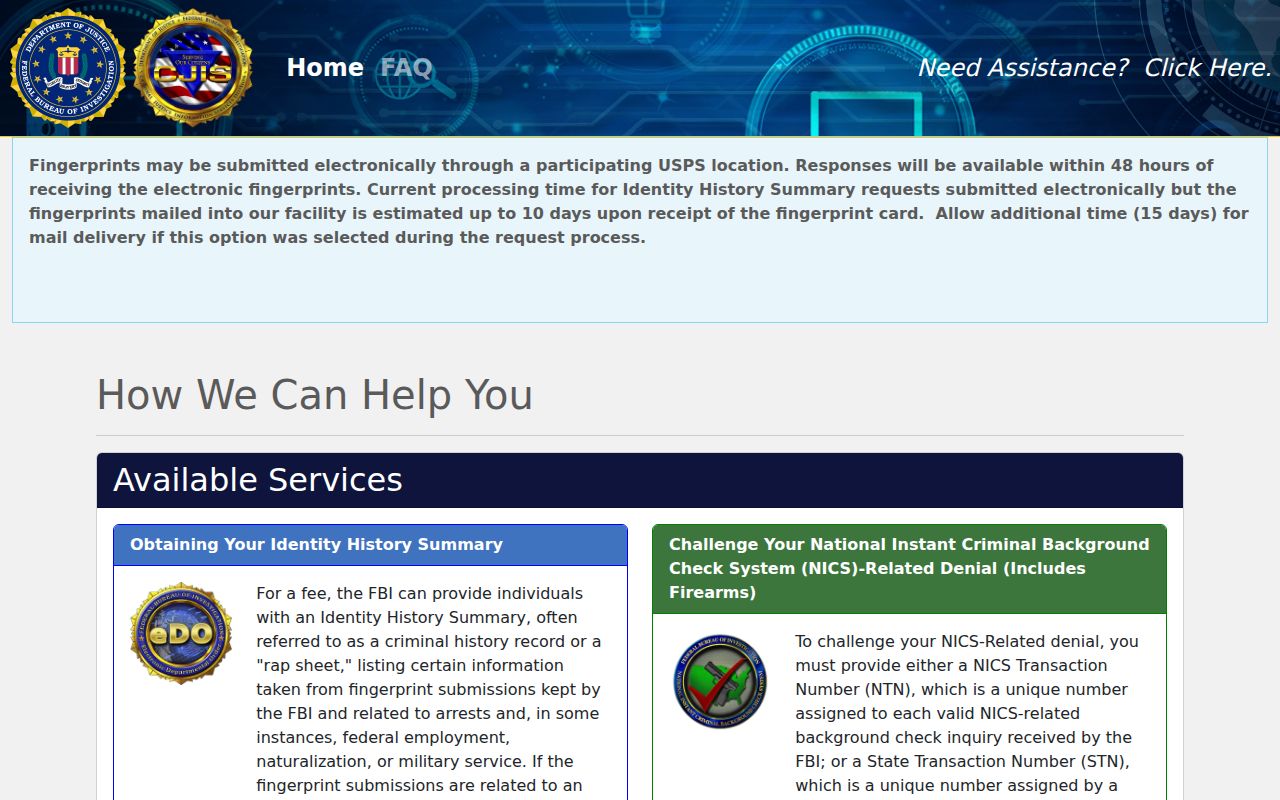
That fingerprint-based self-review is distinct from a public Clemson name search and from Clemson's incident-report request form.
Public Access Rules in Clemson
South Carolina FOIA provides a route to existing Clemson city records, while judicial rules govern court access. Clemson may withhold active investigative material and other exempt details, but it should separate and release public portions when reasonable. A request should identify the record and custodian. Clemson does not have to create a new analysis or combine city and university files.
Key Statutes:
South Carolina FOIA, S.C. Code §30-4-30 sets the public-record request and response process.
S.C. Code §30-4-40 identifies exemptions for protected law-enforcement and personal information.
S.C. Code §23-3-120 requires qualifying arrest fingerprint data to enter the state reporting chain.
South Carolina's sentencing and criminal procedure provisions provide the official state-law context shown here.
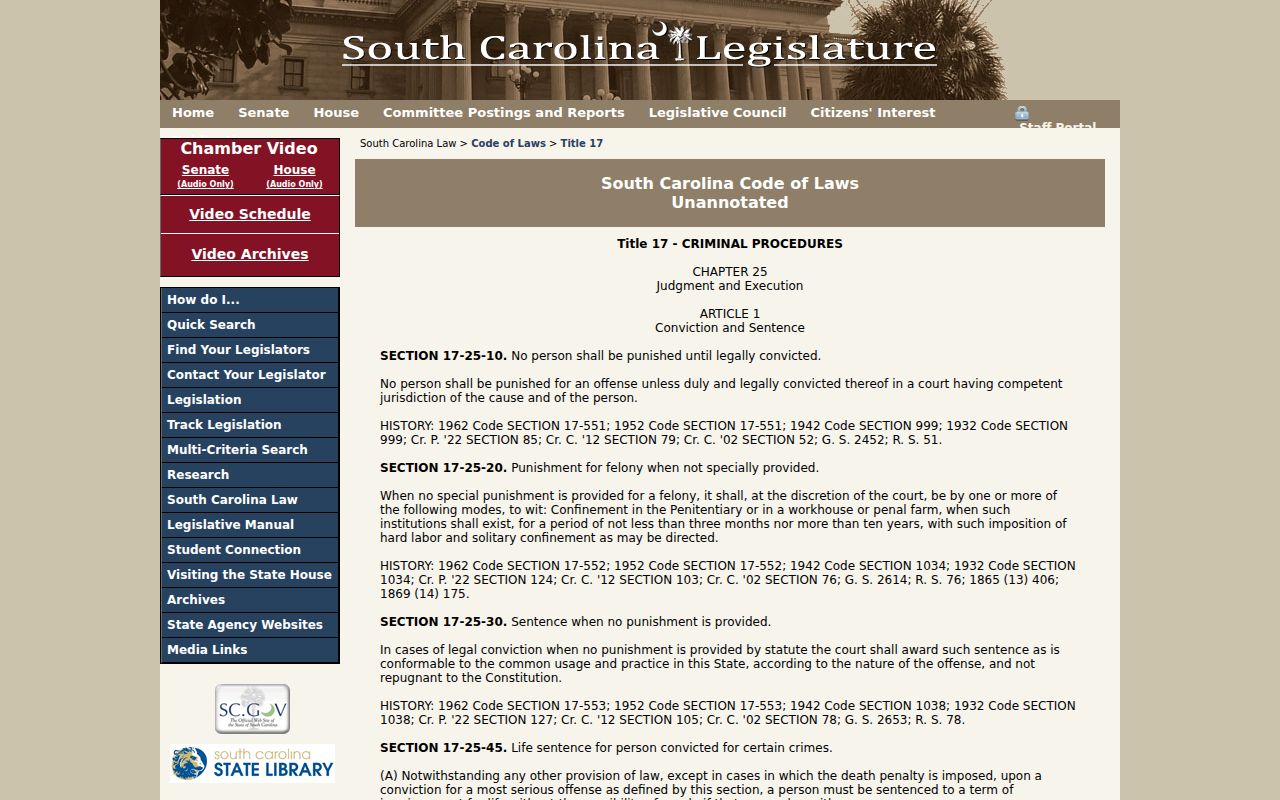
The statute source helps verify state procedure, while the Clemson clerk remains the source for the actual city judgment and certified docket.
The best Clemson request is narrow and local. Use the police form for an eligible incident report, NextRequest for city FOIA, the Municipal Court clerk for a certified city docket, and the university channel for a campus police record. That routing keeps separate systems from being mistaken for one citywide database.